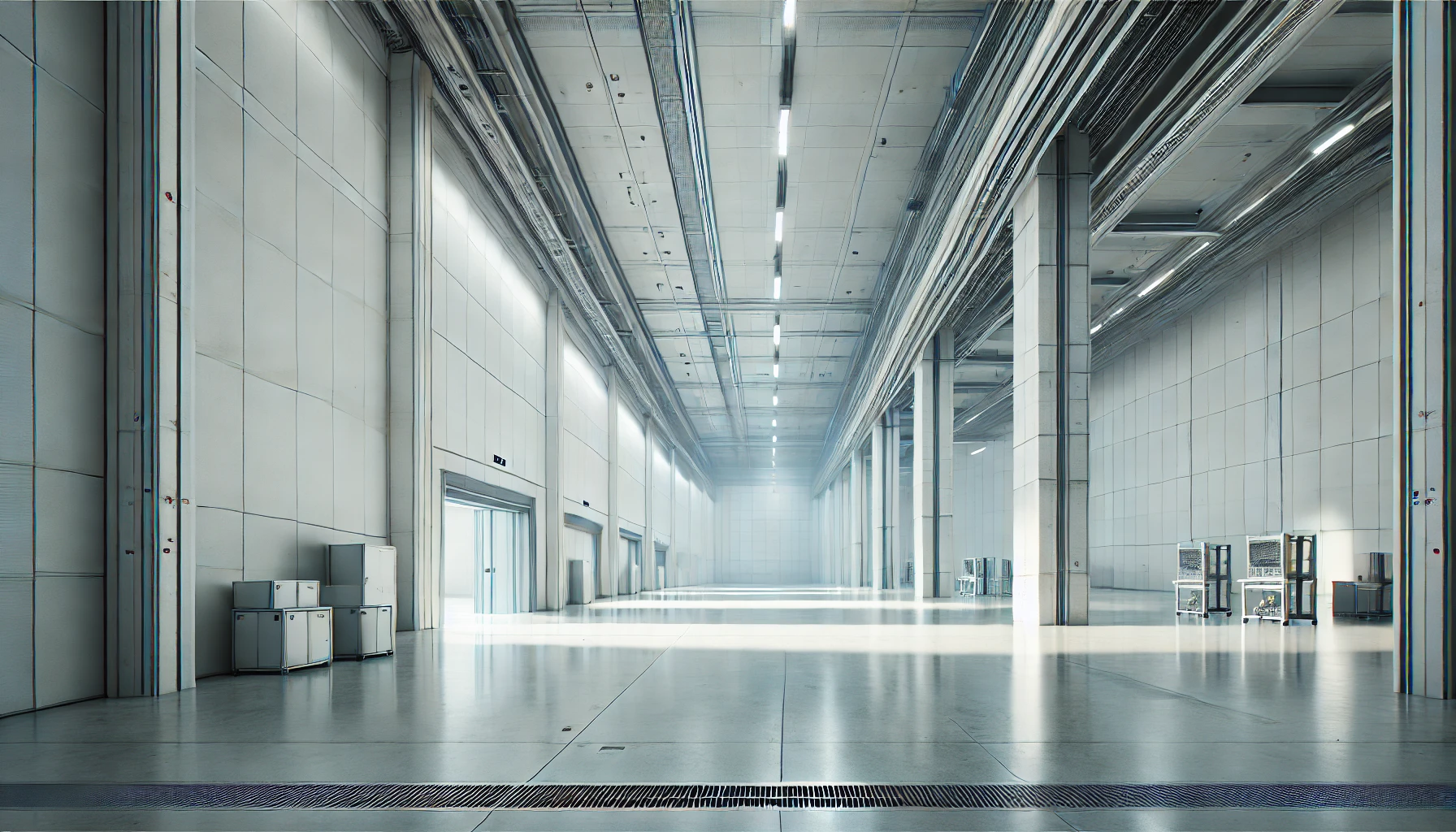
A Comprehensive Guide to Industrial Concrete Flooring: From Installation to Maintenance
Services: Concrete Polishing
Industrial concrete flooring is a common feature in many commercial and industrial spaces. Known for its durability, strength, and ability to withstand heavy loads, it is an ideal choice for warehouses, factories, and other high-traffic areas. However, to ensure your industrial concrete flooring performs optimally and lasts for many years, it is important to understand the key aspects of its installation and maintenance.
In this guide, we will explore everything you need to know about industrial concrete flooring, from the installation process to essential maintenance tips. Whether you’re considering installing a new floor or looking to maintain an existing one, this guide will help you make informed decisions.
The Basics of Industrial Concrete Flooring
Industrial concrete flooring refers to a variety of concrete-based flooring systems designed for heavy-duty environments. These floors are typically thicker and more robust than standard residential concrete floors, consequently, they are capable of handling the demands of industrial operations.
Key Characteristics:
- Durability: Able to withstand heavy machinery and constant foot and vehicle traffic.
- Resistance: High resistance to chemicals (when treated with suitable surface protection systems), abrasion, and impact, making it ideal for harsh industrial settings.
- Low Maintenance: Requires less frequent maintenance compared to other types of flooring, thanks to its robust nature.
- Versatility: Can be customised with different finishes, textures, and coatings to meet specific industrial needs.
Installation Process of Industrial Concrete Flooring
The installation of industrial concrete flooring involves several critical steps to ensure the floor’s longevity and performance. Below is an overview of the installation process:
Surface Preparation
Before installing industrial concrete flooring, the existing surface must be thoroughly prepared. This step is crucial as it ensures the new concrete bonds properly with the substrate, preventing future issues like cracking or delamination. Services like floor scarifying and concrete planing are essential for preparing floor surfaces. In some cases, floor stripping may be necessary to expose the underlying surface.
- Scarifying: Involves the removal of the top layer of the concrete to create a rough surface, improving the bonding of new layers.
- Planing: A process that ensures the surface is smooth and level, reducing the risk of uneven flooring.
- Stripping: Stripping is required for the removal of carpets, vinyls, tiles or heavy-duty resin coatings.
Concrete Pouring and Levelling
Once the surface is prepared, the concrete is poured and levelled. The mix used for industrial flooring is typically more robust than that used for residential floors, with a higher compressive strength to withstand heavy loads.
- Reinforcement: Steel reinforcements or fibres may be added to the concrete mix to enhance its strength and durability. Steel fibre reinforced concrete (SFRC) is often used where the floor is to be ‘jointless’ If SFRC is being used, a chemical surface hardener will prevent any fibres occuring near the surface, resulting in a smoother finish.
- Levelling: The concrete must be evenly spread and levelled to create a uniform surface, which is essential for aesthetics, safety and performance.
Curing and Sealing
After pouring, the concrete needs to cure properly. Curing is the process by which the concrete hardens and gains strength. It’s important to maintain the right moisture levels during this period to prevent cracking and ensure maximum strength.
- Curing Time: Typically, concrete needs 28 days to cure fully, but initial strength is achieved within the first 7 days.
- Sealing: Once cured, the floor can be sealed to protect it from stains, chemicals, and wear. Sealing also enhances the floor’s appearance by adding a sheen and helps with the removal of dust and microorganisms.
Polishing for Enhanced Durability and Aesthetics
Concrete polishing is an additional step that can be taken to enhance the durability and appearance of industrial concrete flooring. Polished concrete is not only aesthetically pleasing but also offers increased resistance to wear and tear.
Advantages of Polished Concrete:
- Improved Durability: Polishing strengthens the surface, making it more resistant to abrasions and impacts.
- Low Maintenance: Polished floors are easier to clean and maintain, reducing long-term maintenance costs.
- Visual Appeal: Offers a high-gloss finish that can be customised with different colours and patterns.
Maintenance Tips for Industrial Concrete Flooring
Maintaining your industrial concrete flooring is key to ensuring it remains in top condition for years to come. Here are some essential maintenance tips:
Regular Cleaning
Regular cleaning is crucial to prevent the build-up of dirt, dust, and chemicals, which can degrade the surface over time.
- Sweeping: Daily sweeping or vacuuming can help remove debris that would otherwise scratch or wear down the surface.
- Mopping: Use a neutral-pH cleaner to mop the floor regularly, avoiding harsh chemicals that can damage the sealant.
Prompt Repairs
Addressing any damage, such as cracks or chips, promptly is important to prevent further deterioration.
- Crack Repair: Small cracks can be filled with epoxy or polyurethane fillers. For larger cracks, professional intervention may be necessary.
- Surface Resurfacing: In cases of significant wear, the floor may require resurfacing.
Resealing
Depending on the level of wear, resealing your industrial concrete floor every few years can help maintain its protective layer.
- Inspection: Regularly inspect the floor for signs of wear, such as dull spots or areas where the sealant is wearing thin.
- Reapplication: When necessary, apply a new coat of sealant to protect the floor from further damage.
In Summary
Investing in industrial concrete flooring is a smart choice for businesses that require a durable, low-maintenance, and visually pleasing flooring solution. By following the proper installation procedures and adhering to regular maintenance practices, you can ensure your industrial concrete floor remains in excellent condition for many years.