What is the difference between resin-bound and resin-bonded systems?
Services: Surface Treatments
The key difference between resin-bound and resin-bonded systems lies in their permeability.
Resin-bound surfaces are designed to be permeable. The resin is mixed with the aggregate before application, allowing water to pass through the surface to prevent it from building up. The smooth surfaces that result are ideal for areas where drainage is key, such as parks, pedestrian routes, and cycleways.
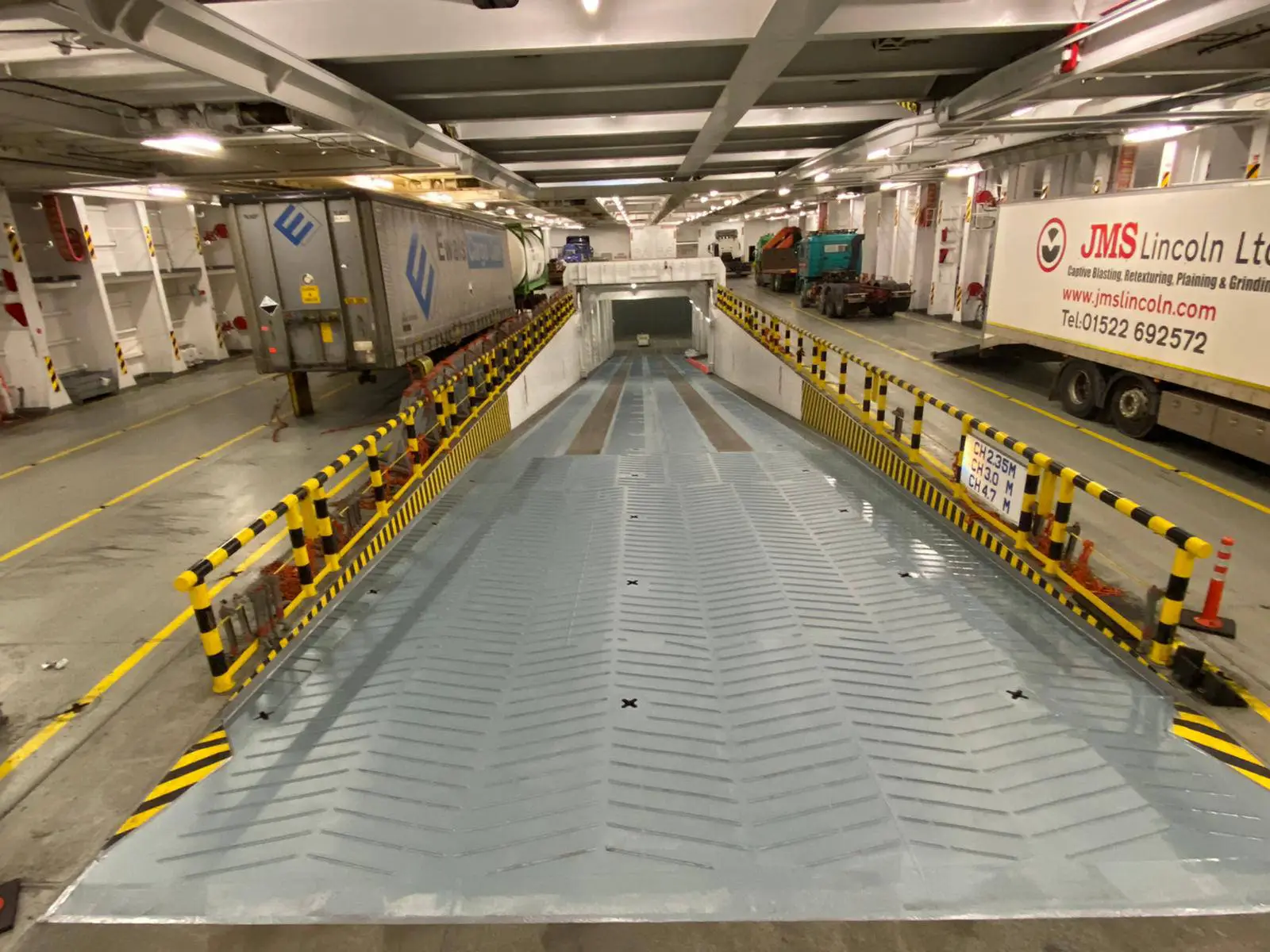
Resin-bonded surfaces, on the other hand, are non-permeable. Aggregates are scattered onto a layer of applied resin, which cures to form a textured surface through which water does not pass. This makes resin-bonded surfaces ideal for areas requiring higher skid-resistance, such as ramps on ship decks and bridges.
Benefits of resin bound:
Durability: Resin bound surfaces are resistant to cracking and are ideal for foot traffic, bicycles and light vehicular traffic.
Permeability – It’s a permeable coating making it perfect for areas where water drainage is crucial
Benefits of resin bonded:
High friction – The rough texture of a resin bonded coating creates an extremely high friction finish perfect for provide an anti-skid surface for road traffic.
Discover more about our anti-skid surface treatments.